Every successful dining venue and artisanal brand sells something deeper than sustenance: they sell atmosphere, craft, and anticipation. Yet in a digital landscape crowded with casual snapshots and flat ring-light photos, dishes often lose the very qualities that make them unforgettable—their depth, their steam, their glistening glazes, and their delicate crunch.
Strategic commercial food imagery bridges that gap. It is not simply about documenting ingredients on a plate; it is about translating taste, smell, and tactile memory into pure visual frequency.
1. The Geometry of Light: Crafting Dimension Over Flatness
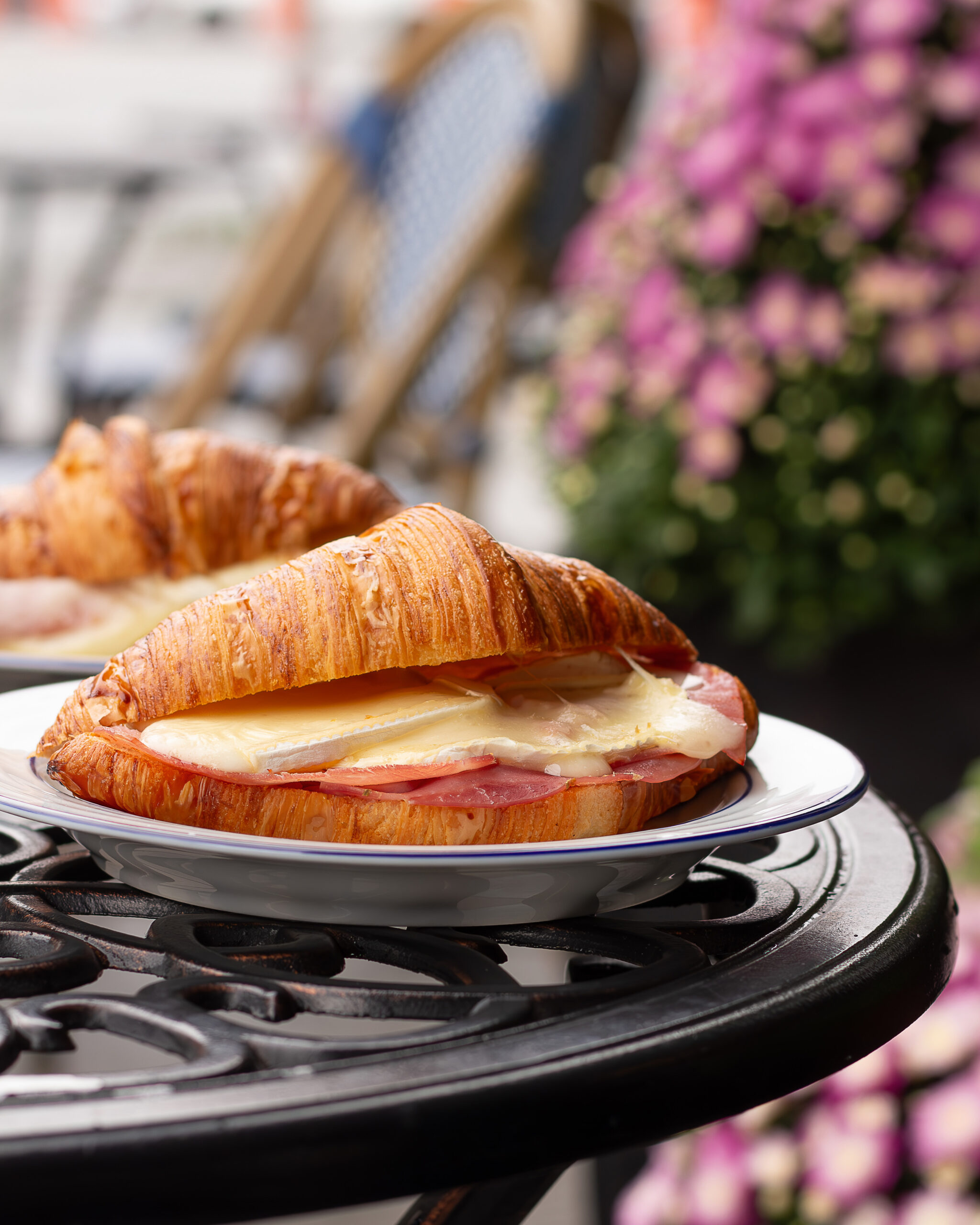
If there is one cardinal rule in culinary photography, it is that front lighting flattens flavor. An on-camera flash or direct forward softbox illuminates everything equally, eliminating the subtle shadows that inform the human brain about depth and crispness.
- Backlighting (10 o’clock to 2 o’clock): The gold standard for liquid reflections, amber pours, crusty artisan bread, and warm morning steam. It defines edges and lets translucent foods glow from within.
- Side Lighting (9 o’clock or 3 o’clock): Essential for revealing surface texture—from the delicate lattice of a seared cutlet to the coarse sea salt atop dark chocolate.
- Controlled Falloff: Deepening negative fill allows richer, moodier gastronomy pieces to feel intimate, drawing the viewer’s eye precisely where the chef intended: the focal bite.
“We don’t crave food because it is bright; we crave it because our subconscious perceives the temperature, texture, and crunch.”
2. Intentional Styling: Perfectly Imperfect
Overly manicured plates risk looking synthetic and unapproachable. The most compelling modern editorial imagery balances restraint with organic humanity:
- The Telltale Crumb: A delicate flake of sea salt fallen to the slate, or a trace of brioche crumb on natural linen makes the scene inviting and accessible.
- Thermal Timing: Fats solidify, sauces film over, and greens wilt within minutes under ambient studio conditions. A choreographed shoot ensures sauces are spooned and fresh herbs are placed seconds before the shutter clicks.
- Micro-Highlights: Strategic touches of cold-pressed oils applied with fine brushes capture specular highlights that tell the subconscious brain: this was just plated.
3. From Social Feeds to High-Yield Menus: The Commercial Impact
High-end imagery does not just exist to look beautiful on an Instagram grid; it serves a direct commercial objective. In hospitality and consumer packaged goods (CPG):
Menu Engineering
Featured dishes paired with dedicated high-end visuals typically see an immediate lift in sales volume and direct guest inquiries.
Perceived Value
Polished visual branding elevates price point acceptance. Guests willingly pay premium rates when the visual craftsmanship mirrors culinary excellence.
Editorial Press Readiness
Magazines, food guides, and culinary publications actively seek out venues with high-resolution, print-ready, cohesive media banks.
Setting the Visual Strategy Before the Shoot
Exceptional photoshoots do not happen by accident on the pass during Friday dinner service. They stem from careful pre-production: defining mood boards, matching ceramic undertones with brand identities, and staging table setups when natural light and kitchen prep work in sync.
Whether launching a seasonal tasting menu, bottling a specialty condiment, or refreshing an entire hospitality portfolio, every frame should speak directly to the diner’s appetite.